Case study · Computer vision
Generative AI for knee X-rays
A research collaboration with a university hospital in Seoul on generative AI for knee radiographs — re-generating X-ray images with state-of-the-art models to support earlier disease detection, fewer imaging errors and enhanced X-ray quality.
- 3generative model familiesStyleGAN3, Stable Diffusion and Pix2Pix GAN
- 3clinical aimsEarlier detection · fewer imaging errors · enhanced X-rays
The challenge
Radiograph quality varies with equipment, positioning and exposure, and some conditions are under-represented in the data. The clinical team wanted to know whether generative models could produce realistic, useful knee images.
Our approach
We experimented with three generative families on knee radiographs — style-based generation (StyleGAN3), diffusion (Stable Diffusion) and paired image-to-image translation (Pix2Pix GAN) — and compared what each does well for re-generating knee images.
Workflow
How it works, step by step.
The pipeline in 4 stages, from curate to compare. Each stage has a clear input, a clear output and a reason to exist.
- 01
Curate
Knee radiographs prepared with the hospital research team.
- 02
Model
StyleGAN3, Stable Diffusion and Pix2Pix GAN trained and adapted.
- 03
Generate
Knee images re-generated by each model.
- 04
Compare
Outputs compared across models.
Results
What it produced.
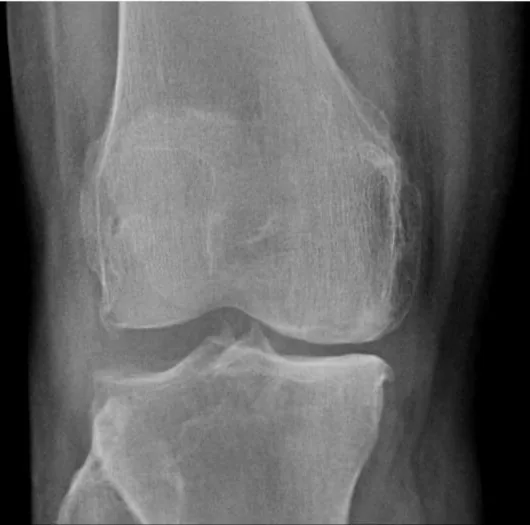
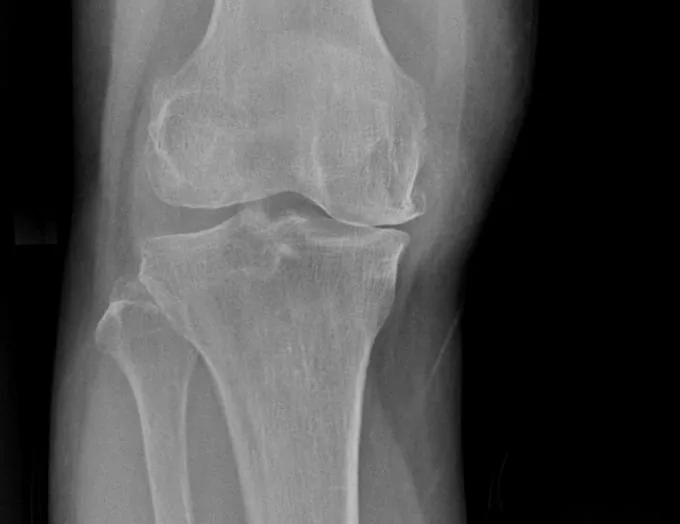
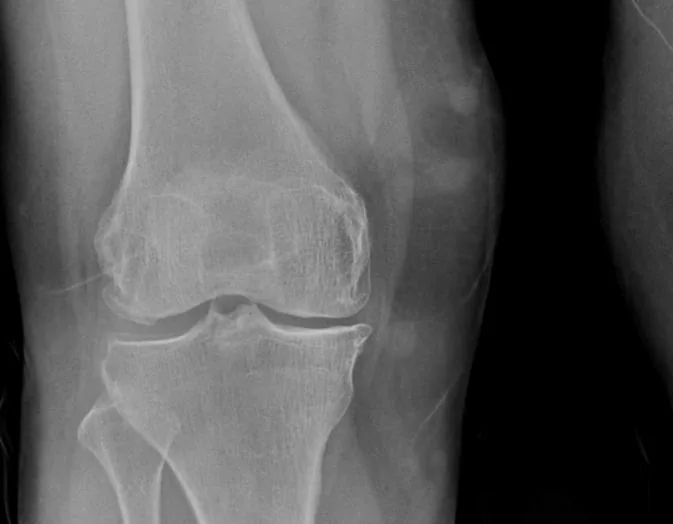
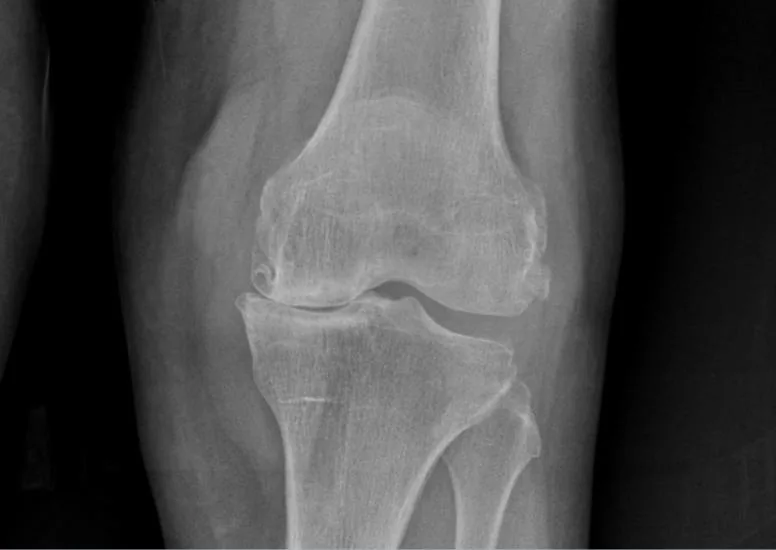
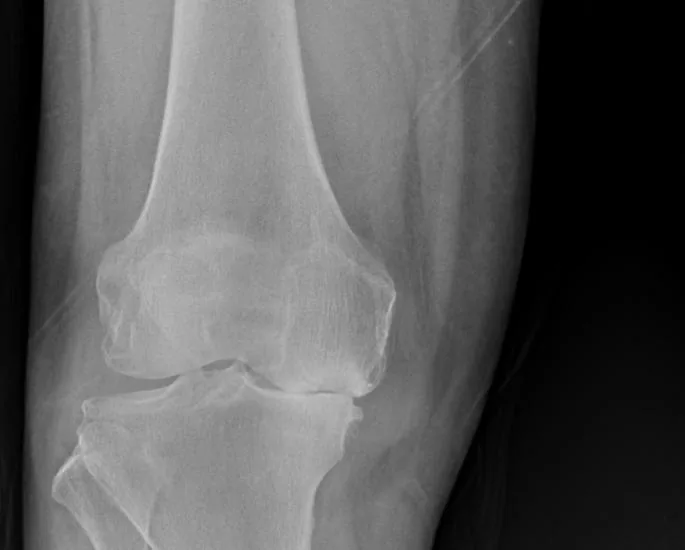
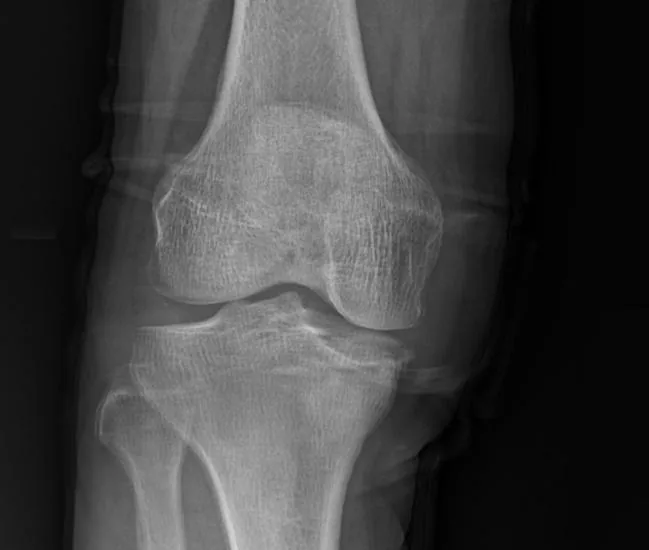
Knee radiograph samples from the project.
Stack & techniques
- StyleGAN3
- Stable Diffusion
- Pix2Pix GAN
- Generative AI
- Medical imaging
Delivered by members of the Saerosense founding team. Client names are withheld unless public — references are available on request.
Related service
Start a project
Have a similar problem?
Send a few lines about your data and the outcome you want. We reply within two business days with a feasibility read and a proposed scoping plan.