Infrastructure inspection · South Korea
Concrete defect segmentation
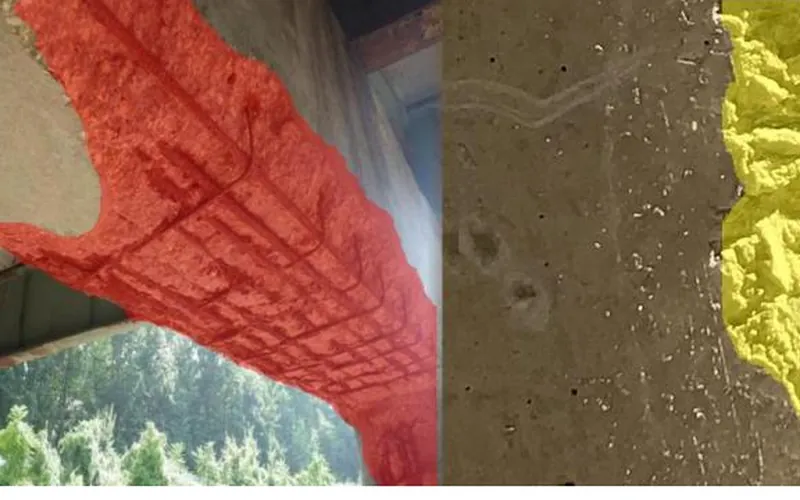
One model outlines five kinds of concrete damage, so inspectors measure defects instead of eyeballing photos.
Result: 5 damage classes · 5 models benchmarked
View case studySelected work
Real outputs from projects our founding team has delivered. Open any project for the workflow, the models and the results.
Inspection & industrial4 projects
Infrastructure inspection · South Korea
One model outlines five kinds of concrete damage, so inspectors measure defects instead of eyeballing photos.
Result: 5 damage classes · 5 models benchmarked
View case studyIndustrial safety
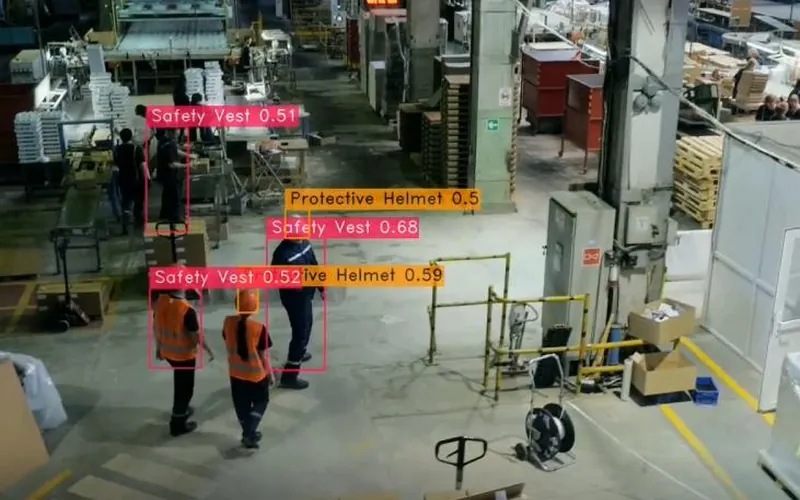
Site cameras check seven types of protective equipment automatically, so safety teams don’t have to watch every feed.
Result: 7 PPE classes · 2.3k training images
View case studySmart city · traffic & parking
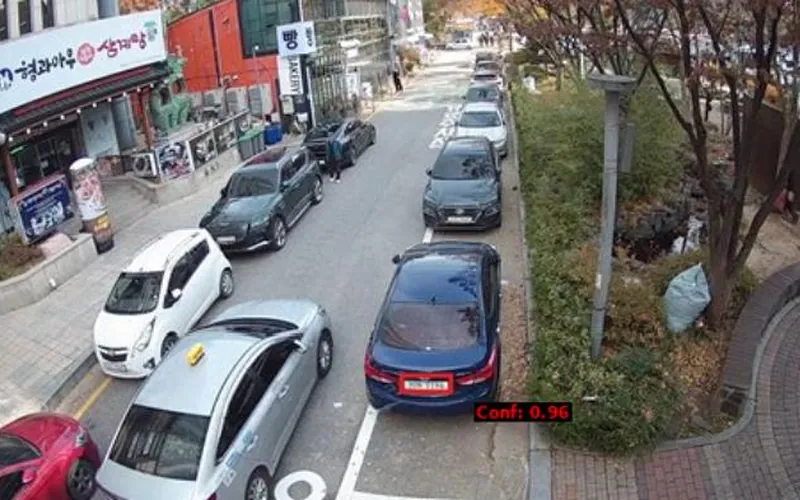
Reads plates from the low-quality street CCTV operators already have, with no camera upgrade needed.
Result: >90% recognition accuracy
View case studyRetail · brand protection
Automated first-line screening of genuine vs. counterfeit logos for brand-protection teams and resale platforms.
Result: 94.8% AUC-ROC · 94.0% F1 (brand A)
View case studyAutonomy & localization2 projects
Autonomous driving
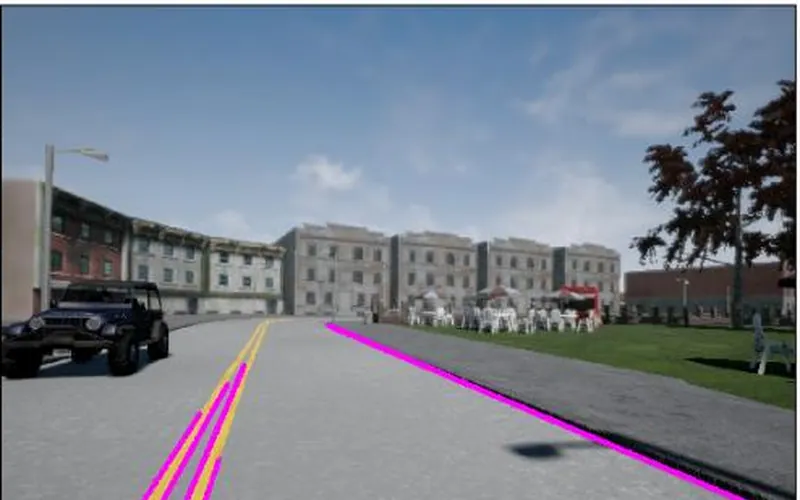
Turns a camera’s segmentation map into what a vehicle planner needs first: where it can drive and where the lanes are.
Result: Drivable space + lanes, one model
View case studyRobotics · drones · AR/VR
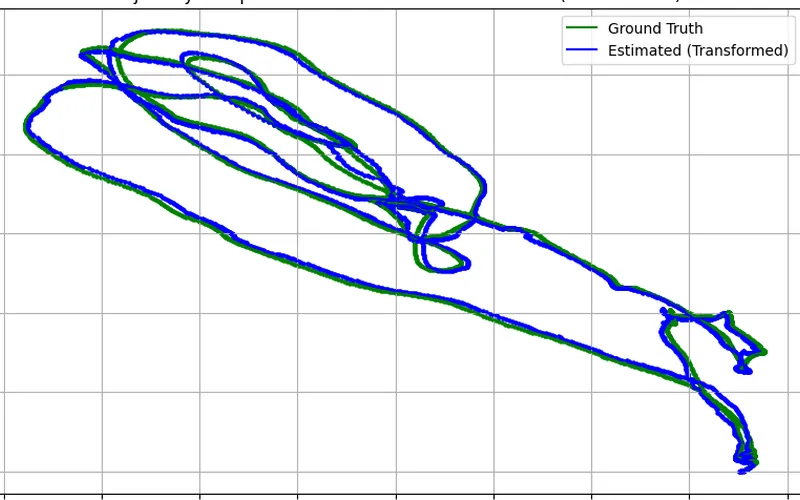
Accurate positioning without GPS for robots, drones and AR devices: under 0.2 m error over the evaluated run.
Result: <0.2 m position error
View case studyMedical imaging2 projects
Medical imaging
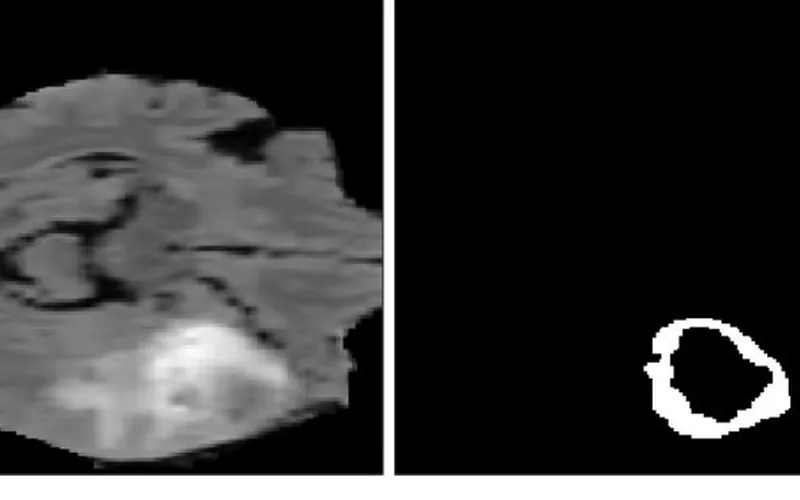
Consistent, automatic tumor outlines across whole MRI volumes: a step toward faster review and less variation.
Result: 3D U-Net · multi-modal MRI
View case studyMedical imaging · radiology
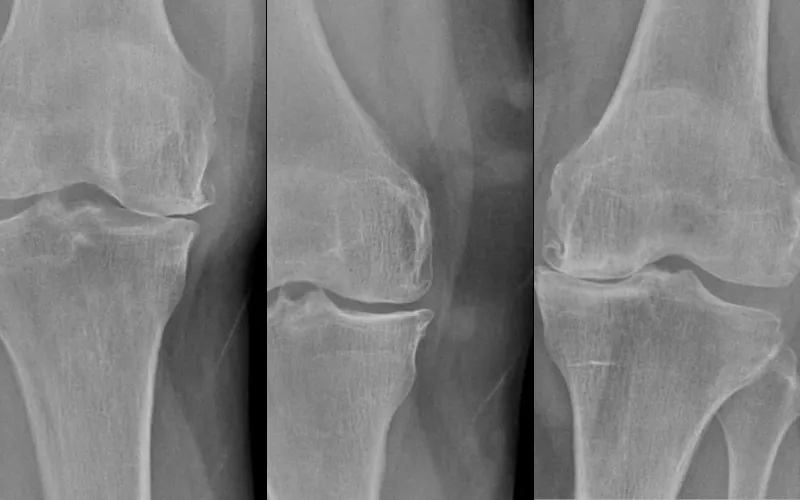
With a university hospital: can generative models produce realistic knee X-rays to improve image quality and data?
Result: 3 generative model families compared
View case studyClient names are withheld unless public. References are available on request.
All case studiesWhat this covers
Surface defects, structural flaws, assembly errors; pixel-level segmentation when the shape and extent of a defect matters, not just its presence.
Labeling plans, augmentation, and handling the class imbalance that dominates real inspection data, where defects are rare by definition.
Models sized for your constraint: GPU server, industrial PC, or embedded device.
Review queues and confidence thresholds so the system earns trust instead of demanding it.
Manufacturing QC, infrastructure and construction inspection (cracks, spalling, corrosion), and monitoring tasks where a person currently reviews images one by one.
Common questions
Often fewer than teams expect. With modern pretrained backbones and careful augmentation, useful prototypes frequently start from hundreds (not tens of thousands) of labeled examples, and the labeling plan is part of the engagement.
Usually yes. We profile your target (GPU server, industrial PC, or edge device) and choose or distill models to fit its latency and memory budget.
We never promise a number before seeing data. Scoping includes a quick feasibility pass on your imagery so expectations are set from evidence, not sales copy.
Start a project
Send a few lines about your data and the outcome you want. We reply within 1 business day with a feasibility read and a proposed scoping plan.